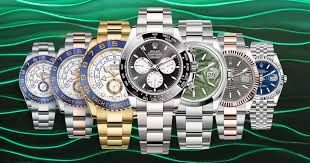
Understanding the Growth of the Replica Watch Market and Evolving Consumer Awareness
Market Overview and Current Trends
The global watch industry has witnessed notable diversification over the past decade, with a significant rise in alternative segments catering to different consumer budgets. Among these, the replica watches market has expanded steadily, driven by affordability, accessibility, and advancements in manufacturing techniques. Today’s replicas are no longer simplistic imitations; they often feature improved craftsmanship, closer design accuracy, and enhanced durability, making them appealing to a wider audience.
Statistical observations indicate that demand has increased particularly among younger consumers and first-time buyers who seek the aesthetic appeal of luxury timepieces without the associated financial commitment. Digital platforms and e-commerce channels have further accelerated this growth by enabling easy product discovery and global reach.
Key Factors Influencing Consumer Behavior
Consumer decision-making in this segment is shaped by multiple factors. Price sensitivity remains the most prominent, with buyers prioritizing cost-effective options that deliver visual similarity. Additionally, growing fashion consciousness has made watches more of a style statement than merely a functional accessory.
Another critical factor is product variety. The market now offers a broad range of designs, materials, and functionalities, allowing consumers to select pieces that align with their personal preferences. Convenience of purchase, discreet shipping, and improved customer service practices also contribute to sustained demand.
Awareness and Ethical Considerations
As the market expands, consumer awareness has become increasingly important. Buyers today are more informed about product quality, legal considerations, and ethical implications. Many consumers actively research before making a purchase, comparing specifications and understanding what differentiates high-quality replicas from low-grade alternatives.
There is also a growing discussion around intellectual property and authenticity. While some consumers view replicas as a practical alternative, others remain cautious due to legal and ethical concerns. This dual perspective has encouraged more transparent communication within the market, with sellers focusing on clarity regarding product specifications and limitations.
Quality Improvements and Technological Advancements
Technological progress has significantly influenced product quality. Modern manufacturing methods, including precision engineering and better material sourcing, have elevated the standard of replicas. Features such as improved movement mechanisms, water resistance, and scratch-resistant materials are becoming more common.
These advancements not only enhance user experience but also contribute to shifting perceptions. Consumers increasingly associate replicas with value-driven purchasing rather than purely imitation.
Future Outlook and Consumer Responsibility
Looking ahead, the market is expected to continue evolving alongside consumer preferences and regulatory frameworks. Increased awareness will likely lead to more informed purchasing decisions, with buyers emphasizing quality, transparency, and ethical considerations.
For consumers, responsible buying involves understanding product details, evaluating seller credibility, and being aware of broader implications. For businesses, maintaining trust through accurate representation and consistent quality will be essential for long-term sustainability.
In summary, the replica watch market reflects a balance between affordability and aspiration, shaped by evolving consumer awareness and continuous industry innovation.
Proudly powered by WordPress. Theme by Infigo Software.